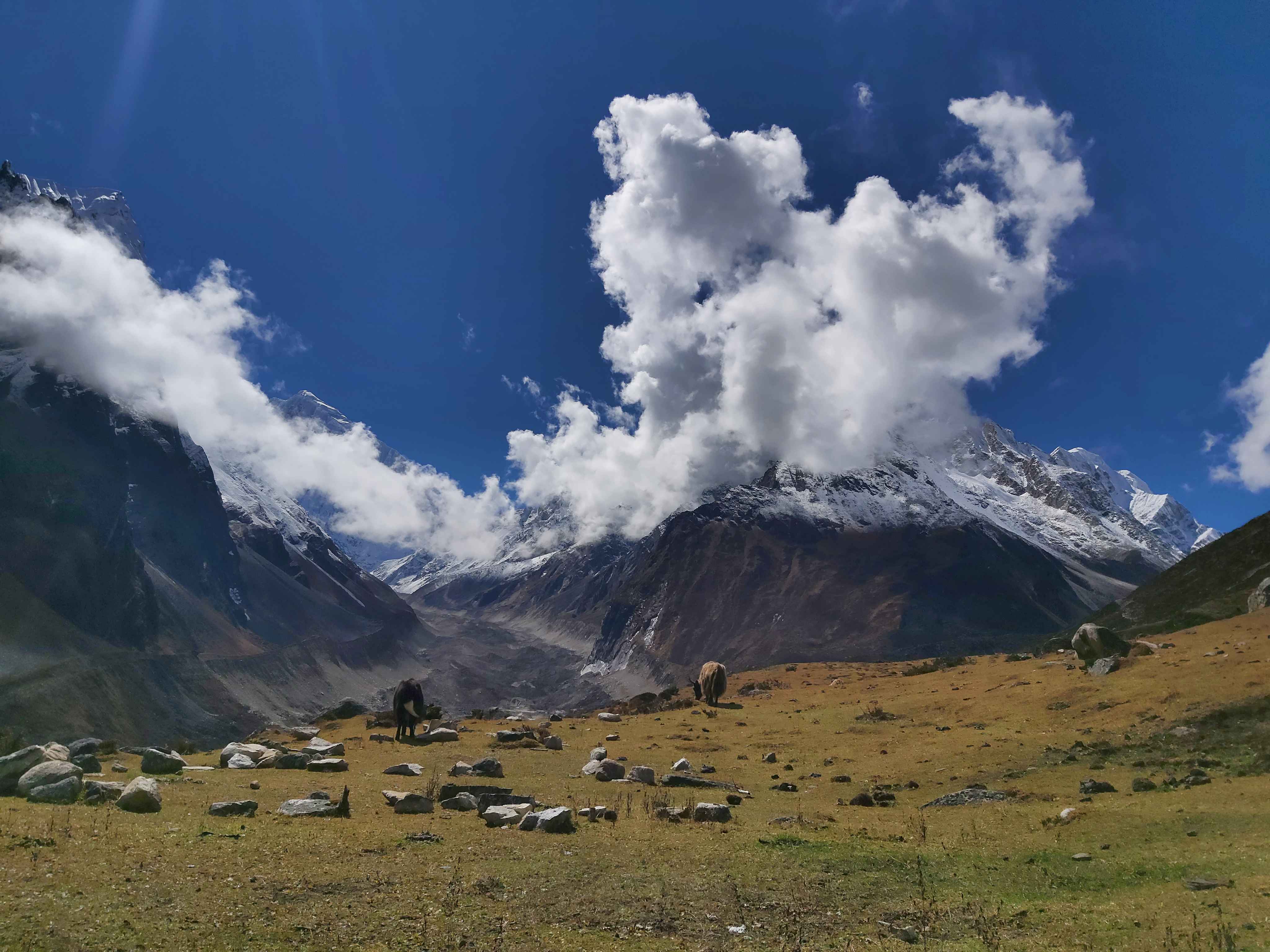
Best Time to Trek in Nepal: A Complete Seasonal Guide
Nepal is one of the world’s most spectacular trekking destinations, attracting adventurers from around the globe. With towering Himalayan peaks, diverse landscapes, and rich cultural heritage, trekking in Nepal offers experiences that are both physically rewarding and deeply inspiring. However, choosing the right season is essential for enjoying the best mountain views, comfortable weather, and safe trekking conditions.
The Himalayan climate changes significantly throughout the year, which means each trekking season in Nepal offers a different experience. From vibrant rhododendron forests in spring to crystal-clear mountain views in autumn, every season has its own unique charm.
Understanding Nepal’s trekking seasons will help you decide the perfect time to begin your Himalayan journey.
Spring Trekking Season in Nepal (March to May)
Blooming Landscapes and Excellent Mountain Views
Spring is one of the most popular times for trekking in Nepal. As winter snow begins to melt, the trails come alive with blooming rhododendrons, lush forests, and colorful alpine landscapes. Temperatures become warmer and more comfortable for trekking, especially in mid-hill and high mountain regions.
This season provides clear mountain views and stable weather conditions, making it ideal for popular treks such as the Everest Base Camp Trek, Annapurna Base Camp Trek, and Langtang Valley Trek. The trails are lively with trekkers from around the world, creating an energetic and social trekking atmosphere.
Spring is also an excellent season for high-altitude expeditions and climbing peaks such as Mera Peak and Island Peak.
Autumn Trekking Season in Nepal (September to November)
The Best Season for Himalayan Trekking
Autumn is widely considered the best time to trek in Nepal. After the monsoon rains clear the skies, the mountains appear exceptionally sharp and breathtaking. The weather becomes stable, the air is crisp, and visibility is often at its best.
During this season, trekkers can enjoy spectacular panoramic views of famous peaks such as Mount Everest, Annapurna, Dhaulagiri, and Manaslu. Trails across the country become active with trekkers exploring iconic routes including the Annapurna Circuit, Everest Base Camp, and the Manaslu Circuit.
Autumn also coincides with major Nepali festivals like Dashain and Tihar, giving travelers the chance to experience the vibrant culture and traditions of mountain communities.
Winter Trekking Season in Nepal (December to February)
Quiet Trails and Snowy Himalayan Landscapes
Winter trekking in Nepal offers a peaceful and unique experience. Although temperatures can drop significantly at higher elevations, many lower-altitude trekking routes remain accessible and enjoyable.
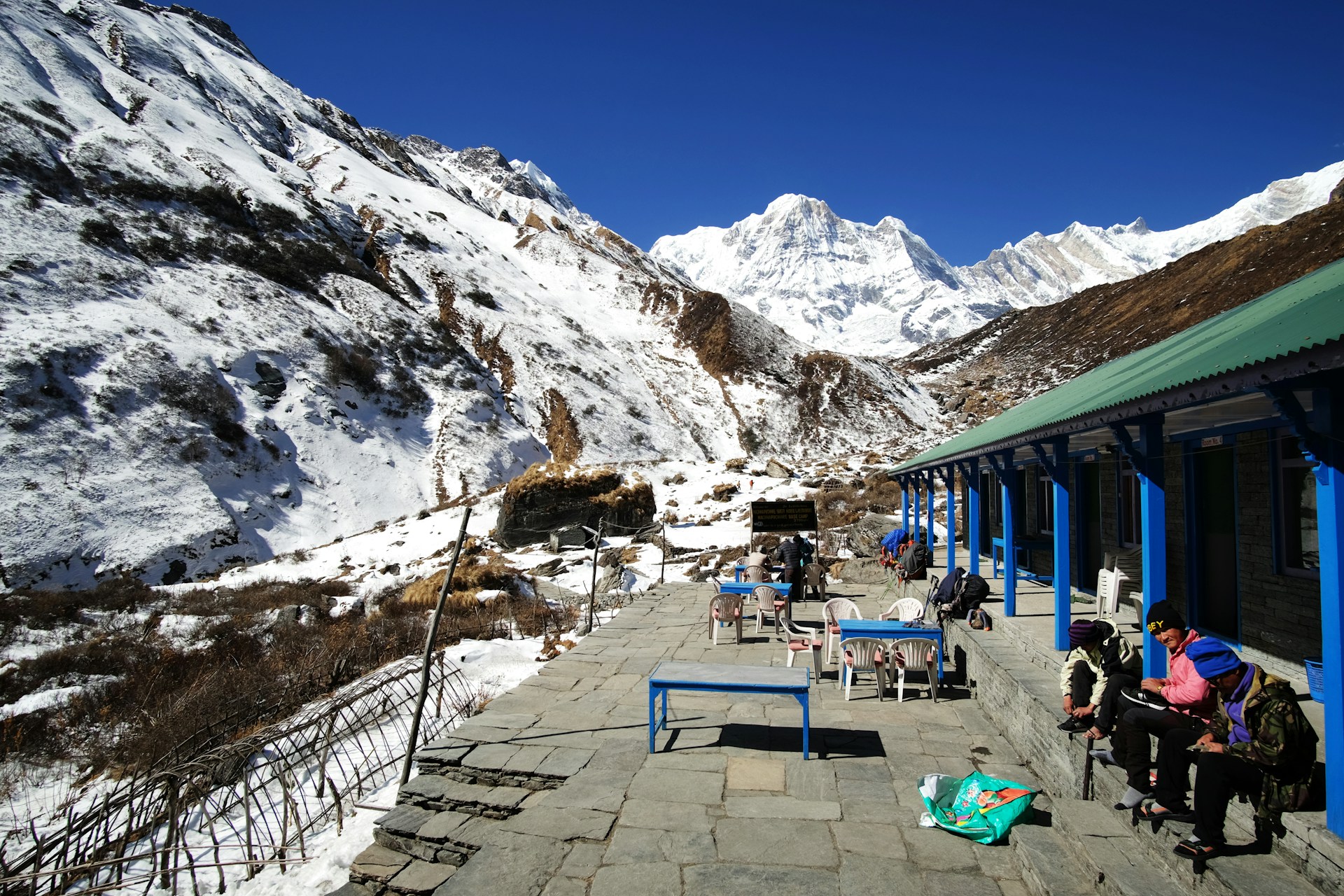
Treks such as the Ghorepani Poon Hill Trek, Mardi Himal Trek, and Langtang Valley Trek can still be completed during winter with proper preparation. The advantage of winter trekking is the quiet trails and fewer crowds, allowing trekkers to experience the mountains in a more tranquil environment.
Snow-covered landscapes and crystal-clear skies create dramatic mountain scenery, making winter a rewarding season for photographers and those seeking solitude.
Monsoon Trekking Season in Nepal (June to August)
Lush Green Trails and Cultural Adventures
The monsoon season brings heavy rainfall to many parts of Nepal, especially in lower regions. Trails can become muddy and cloud cover may limit mountain views. Because of this, monsoon is considered the least popular trekking season.
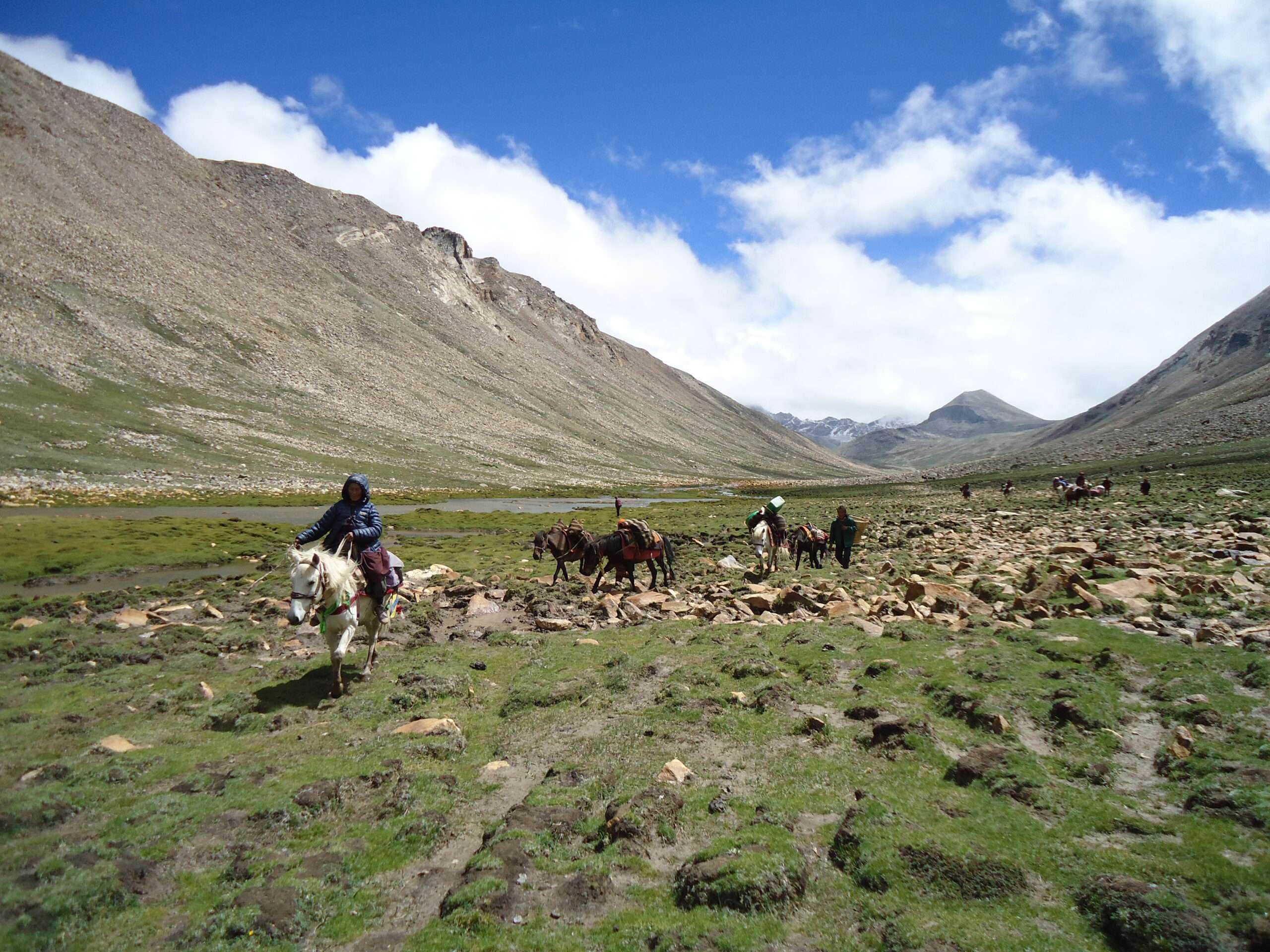
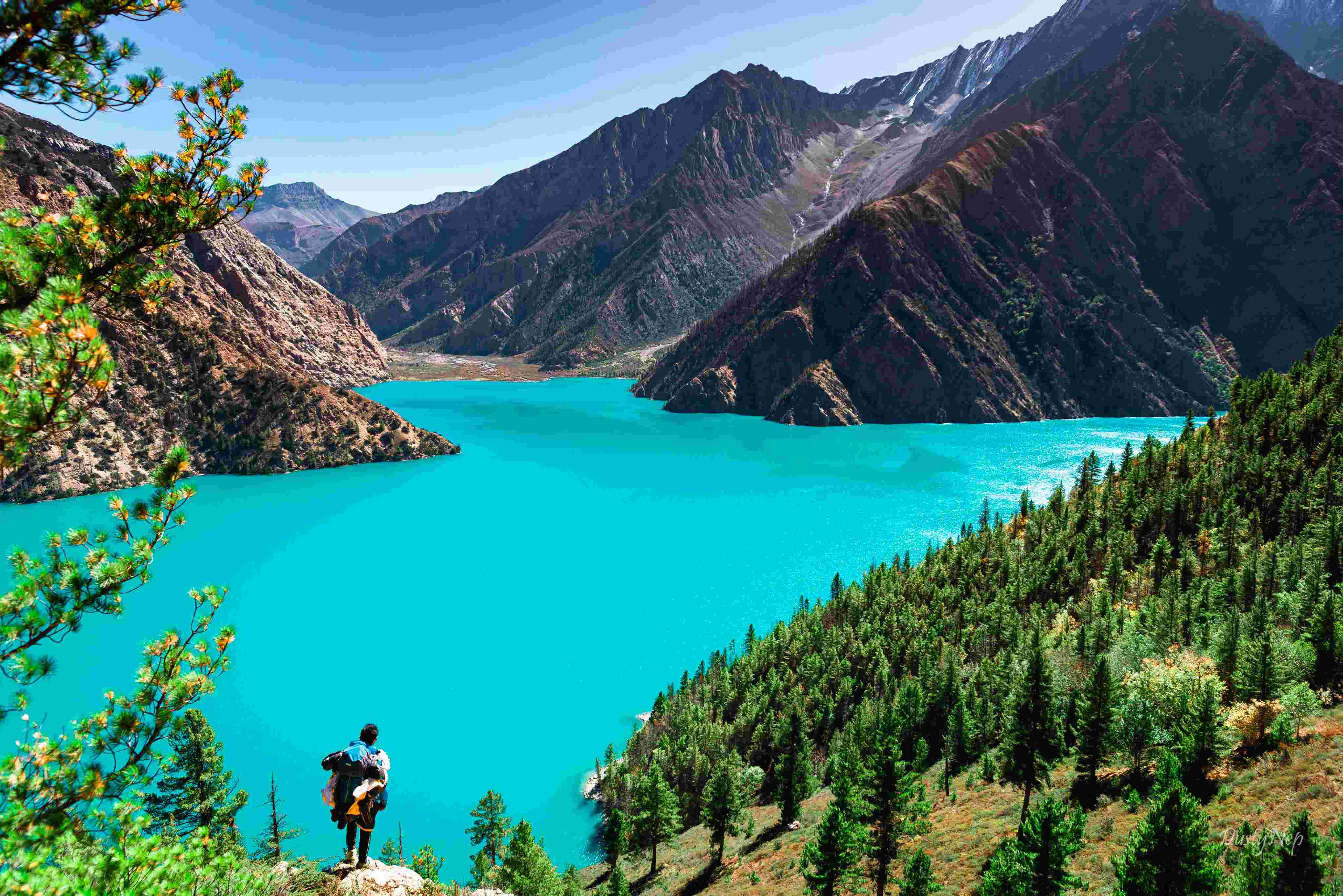
However, some regions of Nepal remain excellent trekking destinations during monsoon. Areas located in the Himalayan rain shadow such as Upper Mustang, Upper Dolpo, and Nar Phu Valley receive far less rainfall. These regions offer incredible landscapes, Tibetan-influenced culture, and fewer trekkers on the trails.
For travelers seeking off-the-beaten-path adventures, monsoon trekking in Nepal can be surprisingly rewarding.
How to Choose the Best Trekking Season for You
Consider Weather, Crowds, and Trek Difficulty
Choosing the best time to trek in Nepal depends on your personal preferences and trekking goals. Spring and autumn are ideal for those who want the best weather and classic Himalayan views. Winter is suitable for trekkers who prefer quieter trails and snowy scenery. Monsoon can be appealing for adventurous travelers exploring remote regions like Upper Mustang.
It is also important to consider altitude, trekking difficulty, and trail conditions when planning your trip.
Why Trekking in Nepal Is a Year-Round Adventure
Nepal’s diverse geography allows trekking opportunities throughout the year. From the lush foothills of the Annapurna region to the remote wilderness of Dolpo and the legendary Everest region, every season reveals a different side of the Himalayas.
With proper planning and experienced local guidance, trekkers can safely explore Nepal in any season while enjoying unforgettable mountain landscapes and cultural encounters.
Conclusion
The best time to trek in Nepal largely depends on the experience you want to have. Spring and autumn offer the most favorable weather and stunning mountain views, making them the most popular trekking seasons. Winter provides quiet trails and dramatic snowy scenery, while monsoon opens the door to unique adventures in rain-shadow regions.
No matter when you decide to travel, trekking in Nepal promises breathtaking landscapes, warm hospitality, and life-changing adventures in the heart of the Himalayas.
Planning your trek during the right season will help ensure that your journey through Nepal’s legendary mountain trails becomes an unforgettable experience.